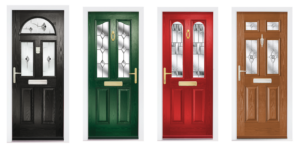
How Door Hardware Repair Changed My Life For The Better


Door Hardware Repair: A Comprehensive Guide
Doors are more than just entrances; they are essential to the security, visual appeals, and performance of any home or building. In time, door hardware can break, breakdown, or end up being damaged, demanding repair. Whether it's a squeaky hinge, a sticking lock, or a broken handle, knowing how to repair door hardware can save money and time. This extensive guide will walk you through the common problems and offer detailed services to help you preserve and repair your door hardware successfully.
Typical Door Hardware Issues
1. Squeaky Hinges
Squeaky hinges are among the most common and annoying concerns. They can be triggered by dryness, rust, or wear and tear.
2. Sticking Locks
Locks can stick due to a variety of factors, consisting of dirt, debris, or misalignment. This can make it challenging to lock or open the door.
3. Broken Handles
Door deals with can break due to extreme force, age, or bad installation. A broken handle can render the door unusable.
4. Damaged Strikers
Strikers, or strike plates, can break in time, triggering the door to not close correctly or the lock to not engage.
5. Loose Screws
Loose screws in hinges, strike plates, or manages can trigger the door to sag or the hardware to become misaligned.
Tools and Materials Needed
Before you start any repair, gather the following tools and materials:
- Lubricant (e.g., WD-40, silicone spray)
- Screwdriver (flathead and Phillips)
- Wrench or pliers
- Replacement hardware (if required)
- Sandpaper or steel wool
- Hammer
- Nails or screws
- Drill (optional)
- Measuring tape
Step-by-Step Repair Guide
1. Repairing Squeaky Hinges
Steps:
- Identify the Problem: Determine which hinge is triggering the squeak.
- Tidy the Hinge: Use a cloth to clean away any dirt or debris from the hinge.
- Apply Lubricant: Spray a lubricant like WD-40 or silicone spray into the hinge. Work the hinge back and forth to disperse the lube.
- Re-tighten Screws: If the hinge is loose, utilize a screwdriver to tighten the screws. If the screws are stripped, change them with longer screws.
2. Fixing Sticking Locks
Steps:
- Clean the Lock: Use a small brush or compressed air to get rid of any dirt or debris from the lock mechanism.
- Lubricate the Lock: Spray a lubricant into the keyhole and lock system. Work the type in and out to disperse the lube.
- Inspect Alignment: Ensure the strike plate and lock are properly lined up. If necessary, adjust the strike plate or the lock mechanism.
- Replace the Lock: If the lock is badly damaged, consider changing it with a brand-new one.
3. Changing Broken Handles
Actions:
- Remove the Old Handle: Use a screwdriver to eliminate the screws holding the handle in place. Carefully pull the handle off the door.
- Step for a New Handle: Measure the range in between the screw holes and the diameter of the handle to make sure the new handle fits.
- Set Up the New Handle: Place the new handle on the door and secure it with the supplied screws. Check the handle to ensure it runs smoothly.
- Change the Strike Plate: If the new handle does not align with the existing strike plate, adjust the strike plate as needed.
4. Replacing Worn-Out Strikers
Actions:
- Remove the Old Strike Plate: Use a screwdriver to eliminate the screws holding the strike plate in location. Thoroughly pry the plate off the door frame.
- Step and Mark: Measure the new strike plate and mark the screw holes on the door frame.
- Set Up the New Strike Plate: Place the new strike plate on the significant spots and secure it with screws. Evaluate the door to ensure it closes appropriately and the lock engages.
5. Tightening Up Loose Screws
Actions:
- Identify Loose Screws: Check all screws in the hinges, strike plates, and manages to determine any that are loose.
- Tighten up Screws: Use a screwdriver to tighten up the loose screws. If the screws are removed, eliminate them and change with longer screws.
- Re-drill Holes (if required): If the screw holes are removed, utilize a drill to create new holes slightly bigger than the screws. Place the screws and tighten up.
FAQs
1. How typically should I lubricate my door hinges?
It's an excellent idea to lubricate door hinges every six months to a year, depending upon usage and ecological conditions. Routine lubrication can avoid squeaks and extend the life of the hinges.
2. Can I use oil instead of lubricant for my door locks?
While oil can be utilized, it is not the very best option for door locks. door seal replacement can attract dirt and debris, which can obstruct the lock system. It's much better to use a lube particularly created for locks, such as graphite or silicone spray.
3. What should I do if my door handle is loose?
If your door handle is loose, start by tightening up the screws that hold it in place. If the screws are removed or the handle is damaged, you might need to replace the handle with a new one.
4. How can I avoid my door from sagging?
To prevent a door from sagging, guarantee that the hinges are effectively aligned and the screws are tight. If the door is currently sagging, you may require to change the hinges or replace the screws with longer ones.
5. What should I do if my door won't close appropriately?
If your door won't close properly, examine the positioning of the hinges and the strike plate. Change the strike plate or the hinges as required. If the problem continues, the door might need to be re-hung or the frame might require to be changed.
Preserving and repairing door hardware is essential for the smooth operation and security of your doors. By attending to common issues like squeaky hinges, sticking locks, and broken handles, you can ensure that your doors function effectively and look their finest. With the right tools and a bit of know-how, you can deal with many door hardware repairs yourself, conserving both money and time. Regular maintenance and timely repairs will assist extend the life of your door hardware and keep your home or structure secure and functional.